
In March 2026, escalating US-Iran tensions have pushed the VIX to the 23-point range, signaling heightened caution but not outright panic. Technical analysis identifies Brent crude above $80 as the primary inflationary trigger monitored by the Fed. Historically, geopolitical shocks result in a median +3% return over 12 months. The current strategy focuses on diplomatic de-escalation to protect corporate earnings, suggesting a long-term “buy the dip” opportunity for fundamental investors.
I have spent the last few late nights glued to order flow and Bloomberg terminals, and something tells me we are witnessing one of the most compelling market setups of 2026. The media noise surrounding a potential full-scale conflict between the United States and Iran has reached a fever pitch, and the average investor is, understandably, on edge. However, for those of us who view financial markets with the cold precision of a surgeon, what we see is not a collapse, but a complex geopolitical chess match. Pieces are being moved to force a negotiation, not mutual destruction.
In this article, I will dive deep into the “knives out” strategy of the Donald Trump administration, explain why current volatility is a warning light rather than a siren, and show you how to position your capital while the algorithms scramble to decode Tehran’s next move. If you want to understand how I reached this conclusion, I recommend reviewing my previous positioning here: Check out my February 2026 Portfolio Close.
1. The 2026 Geopolitical Chessboard: “The Art of the Deal” Strategy
To understand today’s landscape, we have to look at the man leading the world’s largest economy. I firmly believe that Trump’s behavior in March 2026 is a carbon copy of the playbook he outlined in The Art of the Deal. He isn’t looking for a “forever war”; he is looking for maximum leverage to secure a favorable deal.
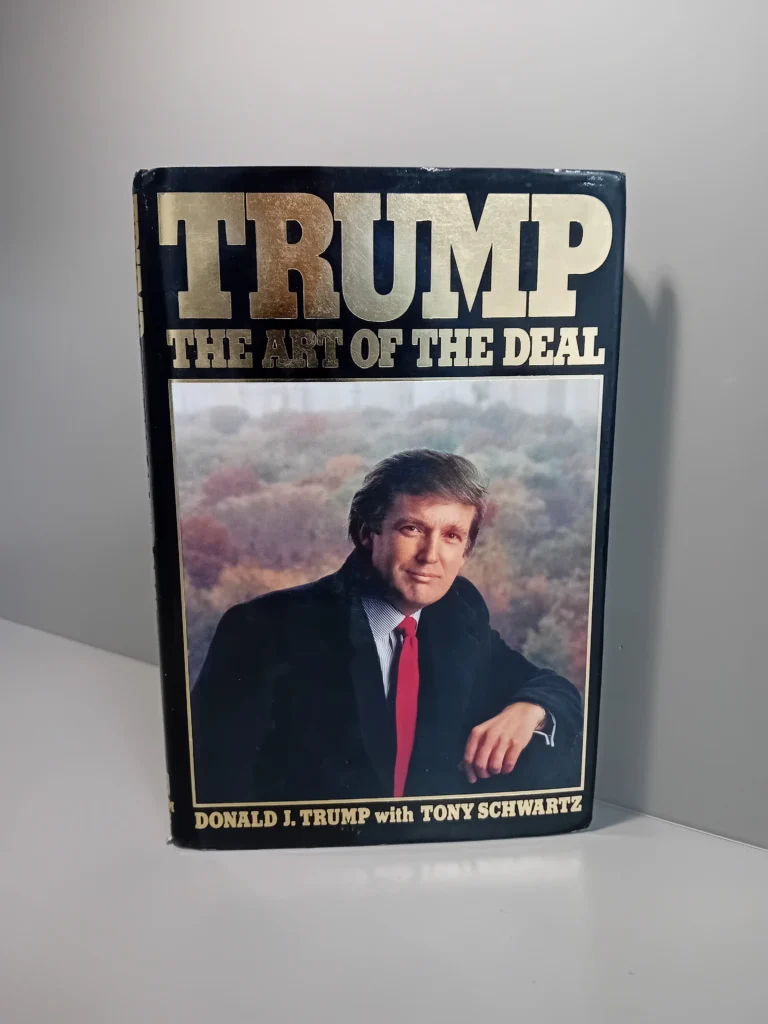
This friction began in January after failed negotiations regarding Iranian nuclear enrichment. Trump, leveraging US influence, started with extreme verbal pressure, deploying carrier strike groups and issuing public ultimatums. The pattern is always the same: create a situation so tense that the opposing party feels the only way out is through a seat at the table. For the markets, this translates to opening gaps and intraday volatility, but it is vital to realize that Trump’s end goal is to be remembered as the “Peace President,” which requires avoiding a conflict that would drag the US economy into an energy-led recession.
2. Managed Panic: Why Market Timing Matters
One point I want to emphasize is the tactical intelligence behind the timing of hostile announcements. Notice that news of sanctions or strikes is almost exclusively released when the markets are closed—usually in the early hours of Friday or over the weekend. This is no accident.
By doing this, the administration ensures that the initial emotional shock is “ground down” in the futures markets and debated by analysts over the weekend. By the time the Monday session opens, the knee-jerk panic has been filtered through institutional filters. The 2026 market is dominated by AI and high-frequency trading (HFT), and Trump knows that dropping a bombshell mid-session in New York would trigger a flash crash that would damage his own image as a successful economic manager. What we are seeing, therefore, is managed volatility, designed to pressure diplomats without breaking the backbone of Wall Street.
3. Oil and Inflation: The Real Enemy of Wall Street
If you ask me which chart concerns me most right now, it isn’t the S&P 500—it’s Brent Crude. When Iran threatened to close the Strait of Hormuz, oil spiked above $80 per barrel. This is the pain point for the global economy in 2026.
According to recent reports from Bloomberg, a sustained rise in oil prices could add 28 to 30 basis points to global inflation, pushing it back toward the 3% mark. This would force the Federal Reserve and the ECB to keep interest rates “higher for longer,” which is pure kryptonite for tech stock valuations. Therefore, I analyze Trump’s guarantees to protect shipping lanes as a fundamental signal: the US will not allow oil to climb to levels that compromise domestic price stability. The economy is, and always will be, the top priority.
Data Table: Asset Reaction to the Conflict (March 2026)
| Asset | Short-Term Movement | Primary Driver | 12-Month Outlook |
| S&P 500 | Sideways / Slight Dip | Geopolitical Uncertainty | Bullish (+3%) |
| Brent Crude | Bullish (> $80) | Strait of Hormuz Threats | Stabilization |
| Gold | Bullish (Safe Haven) | Risk-Off Sentiment | Neutral |
| VIX | 23 Points | Hedging / Put Buying | Return to 15 |
4. The VIX at 23: Yellow Alert or Total Panic?
This brings us to a crucial point in my technical analysis. Many retail investors look at the VIX at 23 points and think the world is ending. I, on the other hand, see a market being prudent. A VIX of 23 indicates that implied volatility has risen, that puts (protective options) are more expensive, and that there is nervousness. However, it is not a capitulation scenario.
Real panic lives above the 35-40 range. A VIX at 23 means the market is “paying to wait,” but the “smart money” hasn’t headed for the exits yet. The fact that indices are holding near all-time highs despite this volatility suggests a bullish divergence. If the fear were structural, the S&P 500 would have corrected 10% or 15% by now. The resilience of equity prices suggests that the market expects a diplomatic resolution in the near term.
5. Lessons from History: What 80 Years of War Tell Us
It’s easy to lose perspective when The New York Times headlines scream about bombings. But I prefer to look at the data. Over the last 80 years, isolated geopolitical events have had a median impact of only -0.9% in the first month. Even more impressively, in 65% of cases, the market was in positive territory one year after the initial shock.
The average 12-month return following a geopolitical event is +3%. This happens because once the uncertainty clears, investors return to what actually matters: Earnings Per Share (EPS), technological innovation, and cash flows. In 2026, with the AI and robotics revolution reaching full maturity, the fundamentals of these companies are far more powerful than any regional conflict in the Middle East. Fear is temporary; profits are permanent.
Frequently Asked Questions (FAQ)
Does a VIX at 23 points mean I should sell my stocks?
Not necessarily. A VIX of 23 indicates elevated uncertainty and higher insurance costs, but historically, it is not a panic level that justifies a total market exit—especially if the underlying company fundamentals remain intact.
How does the price of oil affect my stock portfolio?
Oil above $80 increases production and logistics costs, which can fuel inflation. If inflation rises, the Fed may delay rate cuts, which generally weighs on stock valuations, particularly for growth sectors.
What is the expected impact on the S&P 500 by the end of 2026?
Historically, markets tend to recover and close with average gains of 3% following geopolitical shocks. If the Iran situation is resolved diplomatically, as expected, we could see a significant relief rally.
Conclusion and My Personal Opinion
After analyzing all the data—from the Fed’s stance to troop movements on the ground—my conclusion is twofold. In the short term, anything can happen. The market could jump 2% tomorrow on a diplomatic handshake or drop 3% on a fresh aggressive tweet or an incident at sea. Trying to predict next week’s “noise” is, in my view, a futile exercise that only serves to enrich brokers through commissions.
However, in the long term, the fundamentals are rock solid. I maintain my conviction that 2026 is a year of real economic expansion. The friction with Iran is a temporary hurdle—a necessary piece of political theater for the realignment of global powers. The companies we hold in our portfolio continue to grow, operating margins for Big Tech are at record highs, and global liquidity remains abundant.
My stance is clear: use the volatility (that VIX at 23 that scares the amateurs) to identify high-quality assets that have become “cheap” due to the fear of others. The world isn’t ending in March 2026, but the opportunities to buy great companies at a discount might be.
Related posts:
 The Civil War at the Federal Reserve: Is Jerome Powell’s Resistance the Last Stand for Economic Stability?
 Trade War 2.0 Greenland: How to Shield Your Portfolio Against New NATO Tariffs and Arctic Volatility
 The Greenland Crisis: How Trump’s New Tariffs Could Wreck Your Tech Portfolio Today
 2026 AI IPOs: The Triumph of FOMO or the Next Dot-Com Burst?